Community impacts on individual and family health and well-being
Promoting connections between people who live in the same area, or share the same goals; acknowledgment and study of the role one's surroundings play in one's development. Researching physical, mental, and emotional well-being in development, learning, and culture.
Sara Axtell Sara Axtell
- Senior Lecturer and Faculty-at-Large, Cultural Wellness Center
- she, her, hers
- 612-625-0252
- axtel002@umn.edu
Axtell's work focuses on developing mutually beneficial collaborations between UMN and communities that addresses how to share intellectual authority and bring together academic knowledge and the knowledge systems of cultural communities.

Christopher Mehus Christopher Mehus
- Research Associate Professor and Director of Research
- 651-785-3660
- cjmehus@umn.edu
I am a Prevention Scientist with a background in family science, family therapy, parenting interventions, primary care research, and psychological trauma.
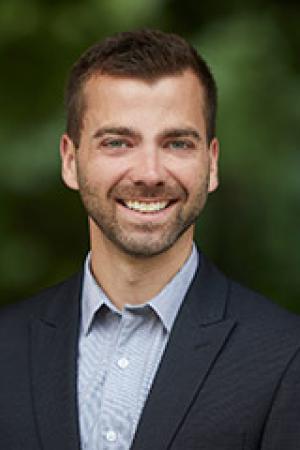
Tai Mendenhall Tai Mendenhall
- Professor, Couple & Family Therapy Specialization
- he/him/his
- 612-624-3138
- mend0009@umn.edu
I am a Medical Family Therapist and Director of the UMN Medical Reserve Corps’ Mental Health Disaster-Response Teams. My research examines collaborative family health care and community-based participatory research focused on public health issues.
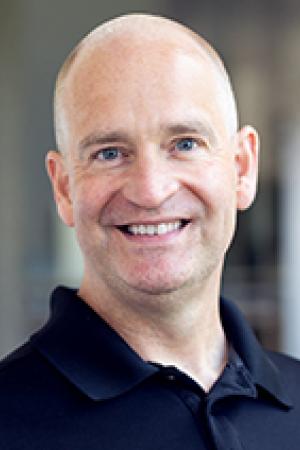
Michelle Pasco Michelle Pasco
- Assistant Professor
- she/her/hers
- mpasco@umn.edu
Dr. Pasco’s research uses a culturally-informed lens to understand the lived experiences of ethnic-racial minoritized youth and families within neighborhood contexts and uses different methods to examine how neighborhood factors influence them.
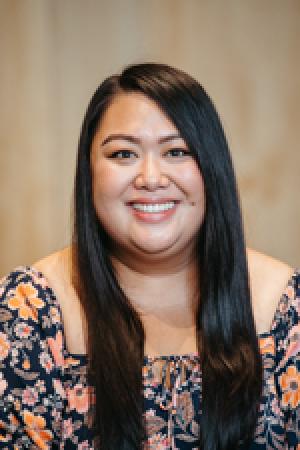
Avelina Rivero Avelina Rivero
- Assistant Professor and Extension Specialist
- Ella/she/her/hers
- river896@umn.edu
Dr. Rivero's research identifies how family members can influence and shape Latina young women’s body image perceptions and development and explores the unique role cultural values play in shaping family interactions and relationships.

Zha Blong Xiong Zha Blong Xiong
- Associate Professor
- 612-625-5882
- xiong008@umn.edu
Dr. Xiong’s research aims to understand the impact of migration on Hmong and other refugee family dynamics, parental behaviors, and children’s adjustment issues.
